
SEARCH WHAT YOU WANT
From the Field to the Outdoors: The Technological Evolution and Scenario Expansion of High-Performance Technical Textiles
Time:2026-06-24
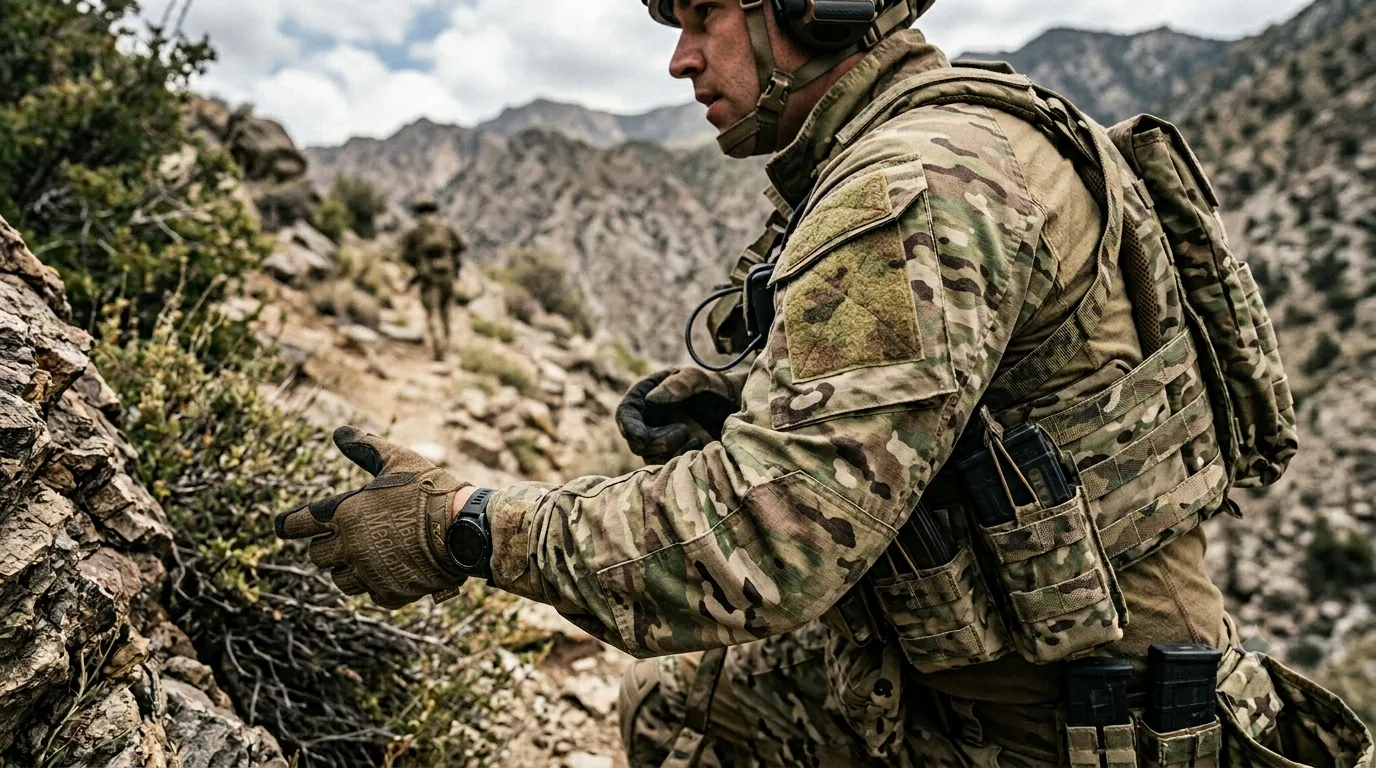 As the boundaries between protective equipment and outdoor sportswear continue to blur, technical textiles are undergoing a profound transformation—shifting from single-function protection to integrated system performance. From industrial workwear to expedition gear, from law enforcement support to everyday commuting, the application landscape of high-performance textiles is being redefined. In this evolution, functional textiles are no longer merely synonymous with protection; they have become a cornerstone of wearer mobility and environmental adaptability.
Abrasion and Tear Resistance: The Foundation of Durability
For any protective or field-ready textile, abrasion resistance and tear strength serve as the primary benchmarks of reliability. Fabrics frequently come into contact with abrasive surfaces, coarse materials, and uneven terrain—conditions that place extreme demands on material integrity. Nylon 66 filament fibers, with their highly regular molecular structure and elevated crystallinity, deliver exceptional durability under repeated friction and multi-directional stress. Martindale abrasion test results for such textiles frequently reach several hundred thousand cycles, with tear strength significantly outperforming conventional polyamide materials. These high-performance fabrics are increasingly adopted as the material of choice for next-generation work trousers, expedition pants, and protective outerwear.
Flame and Detection: Expanding the Protective Spectrum
Modern technical textiles are expected to deliver multi-dimensional protection. Flame retardancy enables fabrics to self-extinguish upon exposure to ignition sources or high-temperature debris, affording the wearer a critical window of safety. Meanwhile, IR-suppression and multispectral stealth technologies allow the fabric to reduce detection by thermal imagers, night-vision devices, and multi-band surveillance equipment—an increasingly vital capability in environments where electro-optical reconnaissance is prevalent.
Integrating flame-retardant and stealth properties directly into the fiber or fabric architecture—rather than relying on post-treatment coatings—ensures long-lasting performance while preserving breathability, drape, and tactile comfort.
Microclimate Management: From Passive Barriers to Active Regulation
High-intensity activities typically generate significant perspiration and rapid fluctuations in core body temperature. In such scenarios, moisture management and quick-dry performance directly influence wearer comfort, thermal balance, and sustained endurance. Through capillary action engineered via modified cross-section fibers, moisture is rapidly wicked away from the skin and quickly evaporated at the fabric surface, maintaining a dry microclimate next to the body.
To address extreme temperature variations—from sub-zero cold to desert heat—PCM temperature regulation (phase change material microcapsule technology) offers an intelligent solution. As the ambient temperature rises, the microcapsules absorb excess heat, producing a cooling effect; when the temperature drops, they release stored heat to provide warmth. This bidirectional thermal regulation, originating from aerospace material science, is emerging as a new standard for comfort management in performance apparel.
Concurrently, antimicrobial and odor-resistant treatments effectively inhibit odor-causing bacterial growth resulting from perspiration breakdown—a critical feature for extended wear scenarios where laundering is not immediately available, thereby significantly enhancing hygiene and wearer confidence.
All-Weather Protection: The Waterproof Breathable Membrane Choice
Field operations do not pause for inclement weather, making reliable protection against rain and wind essential. Waterproof breathable membrane technologies—notably PTFE membranes and TPU membranes—provide a robust barrier against moisture ingress.
PTFE membranes, with their microporous structure, offer an optimal balance between waterproofness and vapor permeability, making them well-suited for high-aerobic activities. TPU membranes, on the other hand, deliver superior elasticity and flex fatigue resistance, maintaining protective integrity in high-motion areas such as knees and elbows. Proper selection between these two technological approaches ensures that performance garments remain dry and comfortable even in heavy rain, snow, or high-humidity jungle environments.
Lasting Performance: The Engineering Significance of Color Fastness
Protective and performance garments must retain their visual effectiveness and professional appearance under prolonged exposure to sunlight, repeated washing, and contact with chemicals. Color fastness—encompassing lightfastness, wash fastness, and rub fastness—represents a fundamental engineering metric for technical textiles. Through the combination of solution dyeing and specialized fixation processes, next-generation technical fabrics maintain chromatic stability over extended service life, ensuring consistent visual performance and a consistently professional presentation.
Conclusion: From Performance Scenarios to Broader Horizons
Technological advances in high-performance technical textiles—driven by material innovation and process refinement—are steadily migrating from specialized protective applications to outdoor sports, industrial safety, emergency response, and even everyday apparel. For functional textile manufacturers, the technical competencies built across abrasion and tear resistance, flame protection, multispectral stealth, moisture-thermal balance, and all-weather protection represent not only core capabilities in serving mission-critical markets but also a solid foundation for competing in premium commercial segments. The future of technical textiles is being written at the intersection of science, engineering, and expanding real-world applications.
As the boundaries between protective equipment and outdoor sportswear continue to blur, technical textiles are undergoing a profound transformation—shifting from single-function protection to integrated system performance. From industrial workwear to expedition gear, from law enforcement support to everyday commuting, the application landscape of high-performance textiles is being redefined. In this evolution, functional textiles are no longer merely synonymous with protection; they have become a cornerstone of wearer mobility and environmental adaptability.
Abrasion and Tear Resistance: The Foundation of Durability
For any protective or field-ready textile, abrasion resistance and tear strength serve as the primary benchmarks of reliability. Fabrics frequently come into contact with abrasive surfaces, coarse materials, and uneven terrain—conditions that place extreme demands on material integrity. Nylon 66 filament fibers, with their highly regular molecular structure and elevated crystallinity, deliver exceptional durability under repeated friction and multi-directional stress. Martindale abrasion test results for such textiles frequently reach several hundred thousand cycles, with tear strength significantly outperforming conventional polyamide materials. These high-performance fabrics are increasingly adopted as the material of choice for next-generation work trousers, expedition pants, and protective outerwear.
Flame and Detection: Expanding the Protective Spectrum
Modern technical textiles are expected to deliver multi-dimensional protection. Flame retardancy enables fabrics to self-extinguish upon exposure to ignition sources or high-temperature debris, affording the wearer a critical window of safety. Meanwhile, IR-suppression and multispectral stealth technologies allow the fabric to reduce detection by thermal imagers, night-vision devices, and multi-band surveillance equipment—an increasingly vital capability in environments where electro-optical reconnaissance is prevalent.
Integrating flame-retardant and stealth properties directly into the fiber or fabric architecture—rather than relying on post-treatment coatings—ensures long-lasting performance while preserving breathability, drape, and tactile comfort.
Microclimate Management: From Passive Barriers to Active Regulation
High-intensity activities typically generate significant perspiration and rapid fluctuations in core body temperature. In such scenarios, moisture management and quick-dry performance directly influence wearer comfort, thermal balance, and sustained endurance. Through capillary action engineered via modified cross-section fibers, moisture is rapidly wicked away from the skin and quickly evaporated at the fabric surface, maintaining a dry microclimate next to the body.
To address extreme temperature variations—from sub-zero cold to desert heat—PCM temperature regulation (phase change material microcapsule technology) offers an intelligent solution. As the ambient temperature rises, the microcapsules absorb excess heat, producing a cooling effect; when the temperature drops, they release stored heat to provide warmth. This bidirectional thermal regulation, originating from aerospace material science, is emerging as a new standard for comfort management in performance apparel.
Concurrently, antimicrobial and odor-resistant treatments effectively inhibit odor-causing bacterial growth resulting from perspiration breakdown—a critical feature for extended wear scenarios where laundering is not immediately available, thereby significantly enhancing hygiene and wearer confidence.
All-Weather Protection: The Waterproof Breathable Membrane Choice
Field operations do not pause for inclement weather, making reliable protection against rain and wind essential. Waterproof breathable membrane technologies—notably PTFE membranes and TPU membranes—provide a robust barrier against moisture ingress.
PTFE membranes, with their microporous structure, offer an optimal balance between waterproofness and vapor permeability, making them well-suited for high-aerobic activities. TPU membranes, on the other hand, deliver superior elasticity and flex fatigue resistance, maintaining protective integrity in high-motion areas such as knees and elbows. Proper selection between these two technological approaches ensures that performance garments remain dry and comfortable even in heavy rain, snow, or high-humidity jungle environments.
Lasting Performance: The Engineering Significance of Color Fastness
Protective and performance garments must retain their visual effectiveness and professional appearance under prolonged exposure to sunlight, repeated washing, and contact with chemicals. Color fastness—encompassing lightfastness, wash fastness, and rub fastness—represents a fundamental engineering metric for technical textiles. Through the combination of solution dyeing and specialized fixation processes, next-generation technical fabrics maintain chromatic stability over extended service life, ensuring consistent visual performance and a consistently professional presentation.
Conclusion: From Performance Scenarios to Broader Horizons
Technological advances in high-performance technical textiles—driven by material innovation and process refinement—are steadily migrating from specialized protective applications to outdoor sports, industrial safety, emergency response, and even everyday apparel. For functional textile manufacturers, the technical competencies built across abrasion and tear resistance, flame protection, multispectral stealth, moisture-thermal balance, and all-weather protection represent not only core capabilities in serving mission-critical markets but also a solid foundation for competing in premium commercial segments. The future of technical textiles is being written at the intersection of science, engineering, and expanding real-world applications.
Previous: No more data

FABRIC FOR TECHNICAL PROTECTION
Copyright © 2025 Shanghai Brilliant Textile Co., Ltd.