
SEARCH WHAT YOU WANT
Polyester, Nylon, Polyester-Cotton, Spandex: How to Choose Between the Four Most Common Fibers? A Buyer's Guide
Time:2026-08-18
When sourcing fabrics, you frequently hear terms like "polyester," "nylon," "polyester-cotton," and "spandex." But what exactly are the differences between them, and which fiber should you choose for which application? This article breaks down the core properties and suitable use cases for these four fibers to help you make informed sourcing decisions.
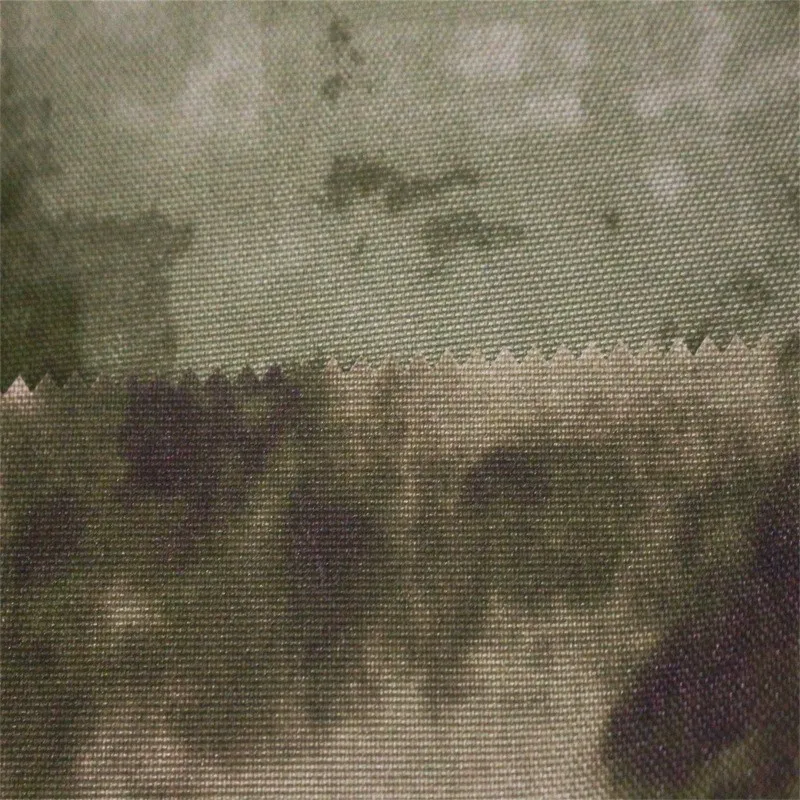
I. Polyester (PET Fiber)
Polyester is the largest-volume synthetic fiber, polymerized from terephthalic acid and ethylene glycol.
Advantages:
-
Relatively high strength and good impact resistance
-
Excellent elasticity and shape retention, wrinkle-resistant after washing
-
Good heat resistance, suitable for a wide temperature range
-
Resistant to light and corrosion, does not mildew or attract insects
-
Easy to wash and quick-drying
Disadvantages:
-
Conventional polyester has poor moisture absorption, feeling stuffy when worn next to skin
-
Prone to static electricity and dust attraction
-
Conventional polyester requires high-temperature, high-pressure dyeing; modified polyester allows low-temperature dyeing
Typical Applications:
Outerwear, linings, curtains, bedding, outdoor tents, tire cord fabric, conveyor belts, ropes, etc. Conventional unmodified polyester has poor next-to-skin comfort; moisture-wicking modified polyester can be used for base-layer quick-dry apparel.
Summary: Shape-retentive, wrinkle-resistant, heat-resistant, and easy-care. Suitable for outerwear, home textiles, and industrial fabrics. Good abrasion resistance and elasticity, but poor moisture absorption.
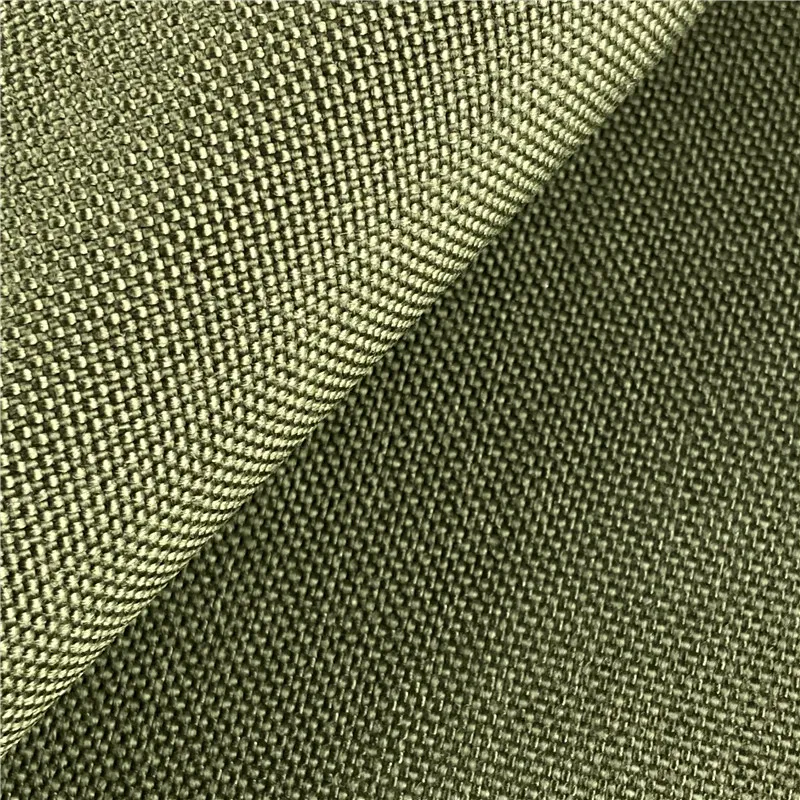
II. Nylon (Polyamide Fiber)
Nylon was the world's first synthetic fiber, invented by DuPont in 1935. In China, it is commonly referred to as "Jinlun," named after the Jinxi Chemical Plant where it was first produced domestically.
Advantages:
-
Unmatched abrasion resistance among conventional textile fibers—approximately 10 times that of cotton
-
High strength, outstanding among conventional synthetic fibers
-
Better moisture absorption than polyester, offering superior wearing comfort
-
Low density, resulting in lightweight, soft fabrics
Disadvantages:
-
Moderate heat resistance and lightfastness; prolonged sun exposure can cause brittleness and degradation
Typical Applications:
Shell fabrics for outdoor jackets, down jackets, quick-dry apparel, sportswear, outdoor tents, backpacks, socks, swimwear, parachutes, seat belts, etc. It is the go-to fiber for outdoor, activewear, and cold-weather apparel.
Summary: High abrasion resistance and lightweight. Suitable for outdoor, activewear, and cold-weather fabrics. Offers the best abrasion resistance among conventional fibers and better moisture absorption than polyester, but has limited lightfastness.
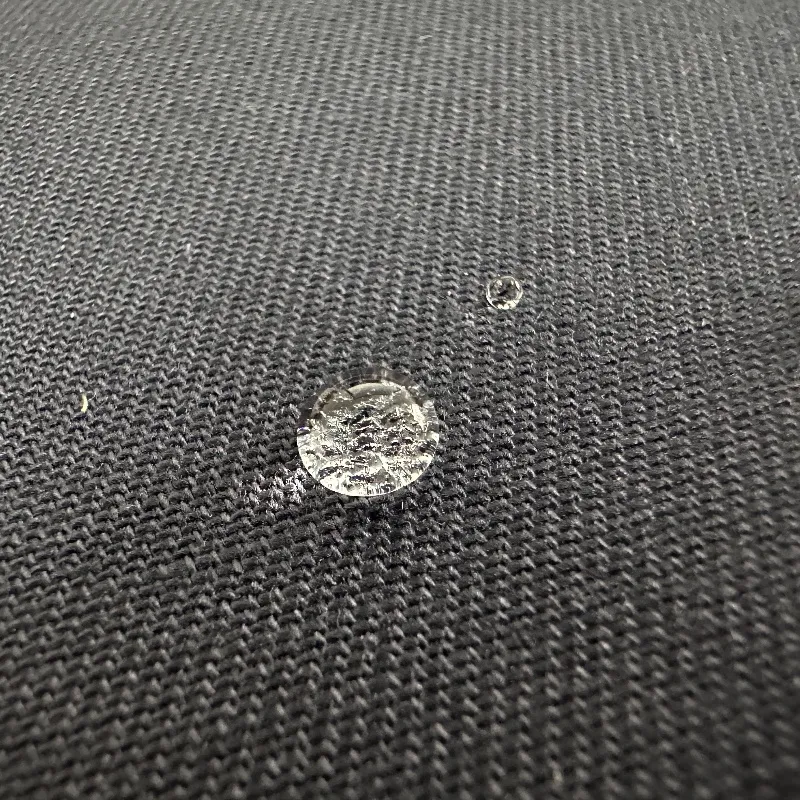
III. Polyester-Cotton (T/C or P/C Blend)
Polyester-cotton is a blended fabric made from polyester and cotton in various ratios. The most common blend ratio on the market is 65% polyester / 35% cotton. CVC (Chief Value Cotton) refers to blends where the cotton content exceeds the polyester content.
Advantages:
-
Combines polyester's crispness and wrinkle resistance with cotton's moisture absorption and skin-friendliness
-
Good strength and abrasion resistance, low shrinkage, and resistant to deformation
-
Cost-effective and durable
Disadvantages:
-
Less comfortable against the skin compared to 100% cotton
Sourcing Note:
Blend ratio directly determines fabric performance. CVC fabrics with higher cotton content offer better skin-friendliness but have more limited wrinkle resistance improvement. Always confirm the blend ratio when placing orders. Common specifications include 65/35, 80/20, and CVC 60/40. Polyester-cotton requires two-component dyeing, which is more complex—however, this does not limit the fabric to light colors; dark-colored workwear and shirts made from T/C blends are widely available.
Summary: Cost-effective, combining crispness and skin-friendliness. Suitable for shirts, workwear, and bedding. Performance is dictated by the blend ratio; buyers should confirm whether 65/35, CVC, or another ratio is required.
IV. Spandex (Polyurethane Fiber / Elastane)
Spandex, also known by the trade name "Lycra" (a DuPont trademark), entered commercial production in 1959.
Advantages:
-
Exceptional elasticity—can stretch 5 to 7 times its original length with excellent recovery
-
Soft, smooth hand feel, comfortable to wear with no pressure sensation
-
Resistant to acids and alkalis; good abrasion resistance when covered or wrapped with other fibers
-
Small additions impart significant elasticity to fabrics
Disadvantages:
-
Low tenacity when bare, far lower than polyester or nylon
-
Poor moisture absorption
-
Almost never used alone; typically incorporated as covered yarns or core-spun yarns with other fibers
Typical Applications:
Sportswear, activewear, swimwear, shapewear, underwear, jeans, stretch casual pants. Typical spandex content in everyday garments ranges from 3-10%; high-performance athletic fabrics may contain up to 15-30%.
Summary: Ultra-high elasticity and recovery. Suitable for stretch activewear and form-fitting garments. Small amounts impart elasticity; almost always used as covered or core-spun yarns rather than bare.
Quick Reference Comparison
Polyester — Shape-retentive, wrinkle-resistant, heat-resistant, and easy-care. Suitable for outerwear, home textiles, and industrial fabrics. Good abrasion resistance and elasticity, but poor moisture absorption.
Nylon — High abrasion resistance and lightweight. Suitable for outdoor, activewear, and cold-weather fabrics. Offers the best abrasion resistance among conventional fibers and better moisture absorption than polyester, but has limited lightfastness.
Polyester-Cotton — Cost-effective, combining crispness and skin-friendliness. Suitable for shirts, workwear, and bedding. Performance is dictated by the blend ratio; buyers should confirm whether 65/35 or CVC is required.
Spandex — Ultra-high elasticity and recovery. Suitable for stretch activewear and form-fitting garments. Small amounts impart elasticity; almost always used as covered or core-spun yarns rather than bare.
Note: Bare spandex has low tenacity; the above description reflects the comprehensive performance of covered or core-spun spandex in finished fabrics.
Final Sourcing Recommendations
For outdoor and activewear applications, prioritize the functional properties of nylon and polyester. For workwear shirts, choose polyester-cotton or CVC based on requirements. For close-fitting stretch garments, pay close attention to the spandex percentage.
Always specify in your purchase contracts: fiber composition, blend ratio, and the three key specifications—yarn count, thread density, and fabric weight—to minimize disputes and ensure quality compliance.
If you have specific product categories and would like more in-depth material selection advice, feel free to leave a comment or contact us directly.
When sourcing fabrics, you frequently hear terms like "polyester," "nylon," "polyester-cotton," and "spandex." But what exactly are the differences between them, and which fiber should you choose for which application? This article breaks down the core properties and suitable use cases for these four fibers to help you make informed sourcing decisions.
I. Polyester (PET Fiber)
Polyester is the largest-volume synthetic fiber, polymerized from terephthalic acid and ethylene glycol.
Advantages:
-
Relatively high strength and good impact resistance
-
Excellent elasticity and shape retention, wrinkle-resistant after washing
-
Good heat resistance, suitable for a wide temperature range
-
Resistant to light and corrosion, does not mildew or attract insects
-
Easy to wash and quick-drying
Disadvantages:
-
Conventional polyester has poor moisture absorption, feeling stuffy when worn next to skin
-
Prone to static electricity and dust attraction
-
Conventional polyester requires high-temperature, high-pressure dyeing; modified polyester allows low-temperature dyeing
Typical Applications:
Outerwear, linings, curtains, bedding, outdoor tents, tire cord fabric, conveyor belts, ropes, etc. Conventional unmodified polyester has poor next-to-skin comfort; moisture-wicking modified polyester can be used for base-layer quick-dry apparel.
Summary: Shape-retentive, wrinkle-resistant, heat-resistant, and easy-care. Suitable for outerwear, home textiles, and industrial fabrics. Good abrasion resistance and elasticity, but poor moisture absorption.
II. Nylon (Polyamide Fiber)
Nylon was the world's first synthetic fiber, invented by DuPont in 1935. In China, it is commonly referred to as "Jinlun," named after the Jinxi Chemical Plant where it was first produced domestically.
Advantages:
-
Unmatched abrasion resistance among conventional textile fibers—approximately 10 times that of cotton
-
High strength, outstanding among conventional synthetic fibers
-
Better moisture absorption than polyester, offering superior wearing comfort
-
Low density, resulting in lightweight, soft fabrics
Disadvantages:
-
Moderate heat resistance and lightfastness; prolonged sun exposure can cause brittleness and degradation
Typical Applications:
Shell fabrics for outdoor jackets, down jackets, quick-dry apparel, sportswear, outdoor tents, backpacks, socks, swimwear, parachutes, seat belts, etc. It is the go-to fiber for outdoor, activewear, and cold-weather apparel.
Summary: High abrasion resistance and lightweight. Suitable for outdoor, activewear, and cold-weather fabrics. Offers the best abrasion resistance among conventional fibers and better moisture absorption than polyester, but has limited lightfastness.
III. Polyester-Cotton (T/C or P/C Blend)
Polyester-cotton is a blended fabric made from polyester and cotton in various ratios. The most common blend ratio on the market is 65% polyester / 35% cotton. CVC (Chief Value Cotton) refers to blends where the cotton content exceeds the polyester content.
Advantages:
-
Combines polyester's crispness and wrinkle resistance with cotton's moisture absorption and skin-friendliness
-
Good strength and abrasion resistance, low shrinkage, and resistant to deformation
-
Cost-effective and durable
Disadvantages:
-
Less comfortable against the skin compared to 100% cotton
Sourcing Note:
Blend ratio directly determines fabric performance. CVC fabrics with higher cotton content offer better skin-friendliness but have more limited wrinkle resistance improvement. Always confirm the blend ratio when placing orders. Common specifications include 65/35, 80/20, and CVC 60/40. Polyester-cotton requires two-component dyeing, which is more complex—however, this does not limit the fabric to light colors; dark-colored workwear and shirts made from T/C blends are widely available.
Summary: Cost-effective, combining crispness and skin-friendliness. Suitable for shirts, workwear, and bedding. Performance is dictated by the blend ratio; buyers should confirm whether 65/35, CVC, or another ratio is required.
IV. Spandex (Polyurethane Fiber / Elastane)
Spandex, also known by the trade name "Lycra" (a DuPont trademark), entered commercial production in 1959.
Advantages:
-
Exceptional elasticity—can stretch 5 to 7 times its original length with excellent recovery
-
Soft, smooth hand feel, comfortable to wear with no pressure sensation
-
Resistant to acids and alkalis; good abrasion resistance when covered or wrapped with other fibers
-
Small additions impart significant elasticity to fabrics
Disadvantages:
-
Low tenacity when bare, far lower than polyester or nylon
-
Poor moisture absorption
-
Almost never used alone; typically incorporated as covered yarns or core-spun yarns with other fibers
Typical Applications:
Sportswear, activewear, swimwear, shapewear, underwear, jeans, stretch casual pants. Typical spandex content in everyday garments ranges from 3-10%; high-performance athletic fabrics may contain up to 15-30%.
Summary: Ultra-high elasticity and recovery. Suitable for stretch activewear and form-fitting garments. Small amounts impart elasticity; almost always used as covered or core-spun yarns rather than bare.
Quick Reference Comparison
Polyester — Shape-retentive, wrinkle-resistant, heat-resistant, and easy-care. Suitable for outerwear, home textiles, and industrial fabrics. Good abrasion resistance and elasticity, but poor moisture absorption.
Nylon — High abrasion resistance and lightweight. Suitable for outdoor, activewear, and cold-weather fabrics. Offers the best abrasion resistance among conventional fibers and better moisture absorption than polyester, but has limited lightfastness.
Polyester-Cotton — Cost-effective, combining crispness and skin-friendliness. Suitable for shirts, workwear, and bedding. Performance is dictated by the blend ratio; buyers should confirm whether 65/35 or CVC is required.
Spandex — Ultra-high elasticity and recovery. Suitable for stretch activewear and form-fitting garments. Small amounts impart elasticity; almost always used as covered or core-spun yarns rather than bare.
Note: Bare spandex has low tenacity; the above description reflects the comprehensive performance of covered or core-spun spandex in finished fabrics.
Final Sourcing Recommendations
For outdoor and activewear applications, prioritize the functional properties of nylon and polyester. For workwear shirts, choose polyester-cotton or CVC based on requirements. For close-fitting stretch garments, pay close attention to the spandex percentage.
Always specify in your purchase contracts: fiber composition, blend ratio, and the three key specifications—yarn count, thread density, and fabric weight—to minimize disputes and ensure quality compliance.
If you have specific product categories and would like more in-depth material selection advice, feel free to leave a comment or contact us directly.
Next: No more data

FABRIC FOR TECHNICAL PROTECTION
Copyright © 2025 Shanghai Brilliant Textile Co., Ltd.